
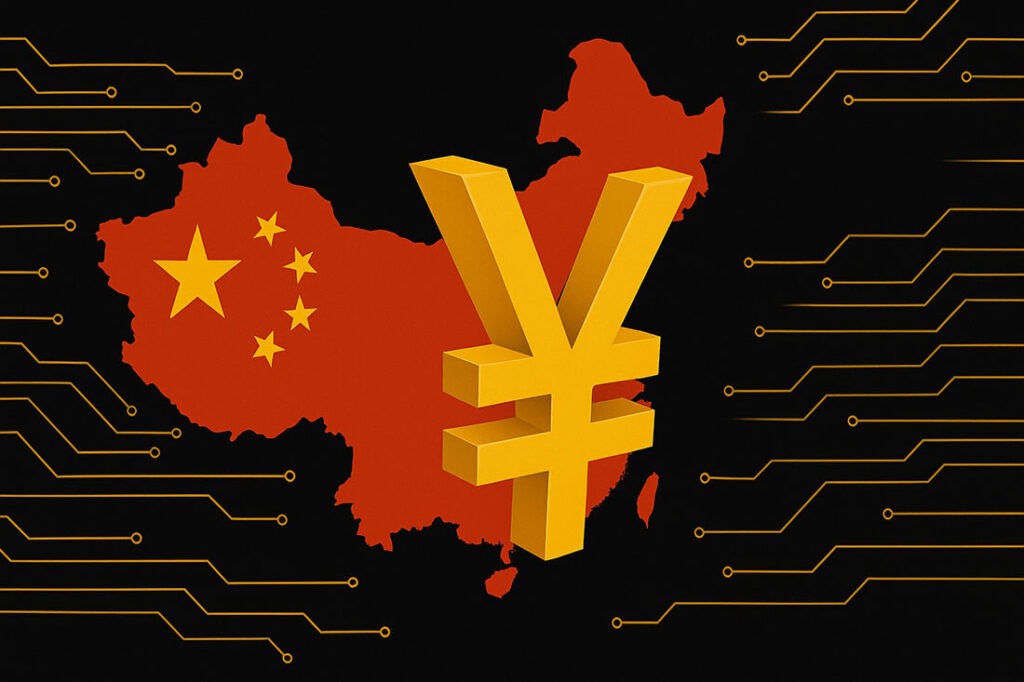
- AxCNH launched Sept 17 in Kazakhstan via AnchorX on Conflux.
- Pegged to CNH, licensed, aimed at BRI cross-border payments.
- Hong Kong licences pending; China bans crypto trading since 2021.
China’s yuan stablecoin moved from talk to live use on September 17, when Hong Kong-based AnchorX launched AxCNH in Kazakhstan after obtaining a licence from local financial regulators. The token tracks the offshore yuan and runs on Conflux’s technology, tying a digital settlement rail to real trade between offshore China entities and Belt and Road partners. Yang Guang, the Shanghai-based chief technology officer of Conflux and a computer scientist from Tsinghua University, said the quiet rollout could set off a “butterfly effect” across cross-border payments. He framed China’s yuan stablecoin as one part of a wider plan that also includes the central bank digital yuan. The move comes as Beijing explores how yuan-backed stablecoins could boost global adoption without loosening tight capital controls at home.
China’s yuan stablecoin licensing in Kazakhstan: date, issuer, and policy signals
China’s yuan stablecoin gained a concrete foothold with a September 17 launch tied to a licence in Kazakhstan, Central Asia’s biggest economy and a key trading partner for China. AnchorX issued AxCNH on Conflux infrastructure after approval from Kazakh regulators, which gives the project a legal base and a region where real invoices move every day. The issuer describes the token as a cost-effective, efficient alternative to slow correspondent networks, which often add fees and delay settlement. Yang Guang noted that offshore issuance does not require direct approval from the People’s Bank of China in theory, and he said Beijing would support use if it serves cross-border trade. That stance separates offshore rails from domestic markets, where cryptocurrency trading has been banned since 2021, and it shows how China’s yuan stablecoin can operate within current rules.
Offshore architecture, BRI mandate, and the Hong Kong gap
Conflux carries a government mandate to build a blockchain platform that links countries in the Belt and Road Initiative, which positions the network as a neutral pipe for trade rather than a speculative venue. AnchorX, backed by Conflux and Chinese investment firm Hony Capital, chose a peg to CNH instead of onshore CNY, which matches established offshore currency practice and keeps capital controls intact. Hong Kong has set out a regulatory framework for stablecoins but has not yet awarded licences to any issuer, so production sits offshore for now. This gap matters because firms want clear supervision where issuance happens, and they want tokens that line up with existing bank accounts in the same currency pool. Within that context, China’s yuan stablecoin gives suppliers and buyers an instrument that matches how they already price goods in CNH and how they manage working capital.
Dollar-pegged tokens dominate global on-chain settlement today, which creates a practical question for policymakers and treasurers in Asia. Should trade flows that touch China rely only on dollar rails in five or ten years, or should there be a parallel option that uses the offshore yuan. Yang argued that blockchains in ten to twenty years will not leave out the Chinese currency, and trade partners share that view for simple reasons. Fewer conversions cut slippage. Fewer banking hops cut errors. China’s yuan stablecoin can fill that role if it prices invoices cleanly and redeems back into CNH bank balances without friction.
Market rationale and ten-to-twenty-year horizon for China’s yuan stablecoin
Trade and policy shifts since the tariff war under U.S. President Donald Trump pushed firms to rethink routes and payment methods, which set the stage for experiments that fit regional needs. Reuters reported last month that authorities in China considered allowing the usage of yuan-backed stablecoins for the first time to widen global yuan adoption. That signal complements the digital yuan project rather than competing with it. One channel targets retail and wholesale pilots under central bank control. The other tests licensed offshore issuance tied to private platforms that handle trade finance and settlement. Together, they address different parts of the same puzzle. China’s yuan stablecoin handles cross-border settlement where CNH already flows, and the digital yuan pilots handle domestic and bilateral use cases under direct state oversight.
SignalPlus head of insights Augustine Fan read the stablecoin push as another venue to extend offshore yuan use and as evidence that officials keep a positive view of the underlying technology while staying cautious on licensing. That measured approach matches the design choices here. The token sits offshore. The peg is to the offshore yuan. The chain provider has a BRI mandate, which makes the asset relevant to logistics firms, exporters, and insurers that already work inside that program. If adoption grows, spreads between AxCNH and bank CNH should tighten as market makers deepen liquidity. With that, China’s yuan stablecoin can support credit lines, escrow, and invoice factoring, which traction often drives wider network use.
Cross-border mechanics, settlement workflows, and who benefits first
The practical changes start with invoices, escrow, and supplier payments that move cargo across borders. An exporter in a Belt and Road country can set prices in CNH, deliver goods, receive AxCNH on-chain with near-instant finality, and redeem into bank CNH during local banking hours. A buyer at an offshore China entity can settle payables on weekends and post proofs of payment that auditors and customs officers can validate later. Treasury teams can hold the token against near-term liabilities and sweep any excess into CNH money-market products if rules allow. Reconciliation becomes simpler because every transfer leaves an on-chain record that matches invoice IDs and shipping documents. In this workflow, China’s yuan stablecoin reduces timing mismatches, which often create late fees and strained supplier relations.
Network effects drive the “butterfly effect” that Yang described. Once a few large suppliers, logistics providers, and insurers accept the token, smaller firms can join without building global correspondent relationships. Conflux can route these transfers with predictable fees, and its BRI mandate gives counterparties confidence that the rail will endure. AnchorX’s backing by Hony Capital and Conflux adds institutional support that matters in early stages, when firms test small volumes and watch for errors. Over time, spreads should narrow, settlement windows should standardize, and integration with trade finance desks should improve. If those steps hold, China’s yuan stablecoin becomes a routine payment option, not a headline experiment, and that routine use is what changes real settlement more than press releases.
Conclusion
China’s yuan stablecoin now has a dated launch, a named issuer, a licensed venue, and a clear policy context, after AxCNH went live on September 17 in Kazakhstan on Conflux technology. The project aligns with China’s long-running goal to expand yuan use while keeping firm capital controls, with Hong Kong yet to award any stablecoin licences and a domestic trading ban in place since 2021. Yang Guang’s comments point to support when the tool serves cross-border trade, and Augustine Fan’s view highlights a cautious but steady path that respects supervision needs. As more exporters and buyers test live invoices, China’s yuan stablecoin can tighten AxCNH-to-CNH spreads, simplify reconciliation, and cut conversion steps. Over the next ten to twenty years, those practical gains may define how regional trade settles, even as dollar tokens keep a large share, because firms will choose rails that clear on time with fewer errors.
Disclaimer
The information provided in this article is for informational purposes only and should not be considered financial advice. The article does not offer sufficient information to make investment decisions, nor does it constitute an offer, recommendation, or solicitation to buy or sell any financial instrument. The content is opinion of the author and does not reflect any view or suggestion or any kind of advise from CryptoNewsBytes.com. The author declares he does not hold any of the above mentioned tokens or received any incentive from any company.
Featured image created by AI


Subscribe To Our Newsletter
Join our mailing list to receive the latest news and updates from our team.