In a fiery clash between traditional finance and the crypto world, Bitcoin enthusiasts and MicroStrategy supporters are rallying for a full-on boycott of JPMorgan Chase.
The uproar? A sneaky policy tweak from index giant MSCI that could boot crypto-heavy companies like MicroStrategy out of major indexes, sparking fears of massive sell-offs and a Bitcoin price plunge. This Bitcoin boycott against JPMorgan is heating up online, with big names like Grant Cardone, Max Keiser, and now influencers like CryptoWendyO amplifying the call—especially after dropping bombshells on “insane JP Morgan Bitcoin allegations” tied to everything from Epstein scandals to debanking families. Here’s the full scoop on why the crypto community is done with the banking behemoth.
The Spark: MSCI’s Crypto Crackdown Looms Large
It all kicked off last Friday when MicroStrategy’s outspoken founder, Michael Saylor, fired back at a bombshell proposal from MSCI. The index provider—think of it as the gatekeeper for trillions in passive investments—wants to slam the door on “crypto treasury companies” starting January 2026. Under the new rules, any firm with more than 50% of its balance sheet tied up in digital assets like Bitcoin would get the boot from MSCI’s indexes.
Why does this sting so bad? Getting kicked out means automatic sell-offs from funds and ETFs that track these indexes. We’re talking billions in forced liquidations that could tank stock prices overnight—and drag Bitcoin down with them. MicroStrategy, the poster child for corporate Bitcoin adoption with its massive BTC holdings, just snagged a spot in the Nasdaq 100 back in December 2024. That entry was a game-changer, funneling passive cash into the company. Now? It’s all at risk.
Saylor didn’t mince words in his rebuttal: “MicroStrategy is not a fund, not a trust, and not a holding company. Funds and trusts passively hold assets. Holding companies sit on investments. We create, structure, issue, and operate. MicroStrategy is a Bitcoin-backed structured finance company.” Boom—mic drop. It’s a clear signal: Don’t lump us in with the lazy holders; we’re builders in the Bitcoin revolution.
Boycott Bitcoin JPMorgan: The Crypto Community Strikes Back Amid Epstein Ties and Debanking Claims
By Sunday, the backlash had exploded across social media. JPMorgan lit the fuse by spotlighting MSCI’s proposal in a research note from analyst Matthew Sigel, which many saw as gleeful corporate sabotage. Bitcoin maxis and MicroStrategy die-hards didn’t hold back, flooding X (formerly Twitter) with boycott demands.

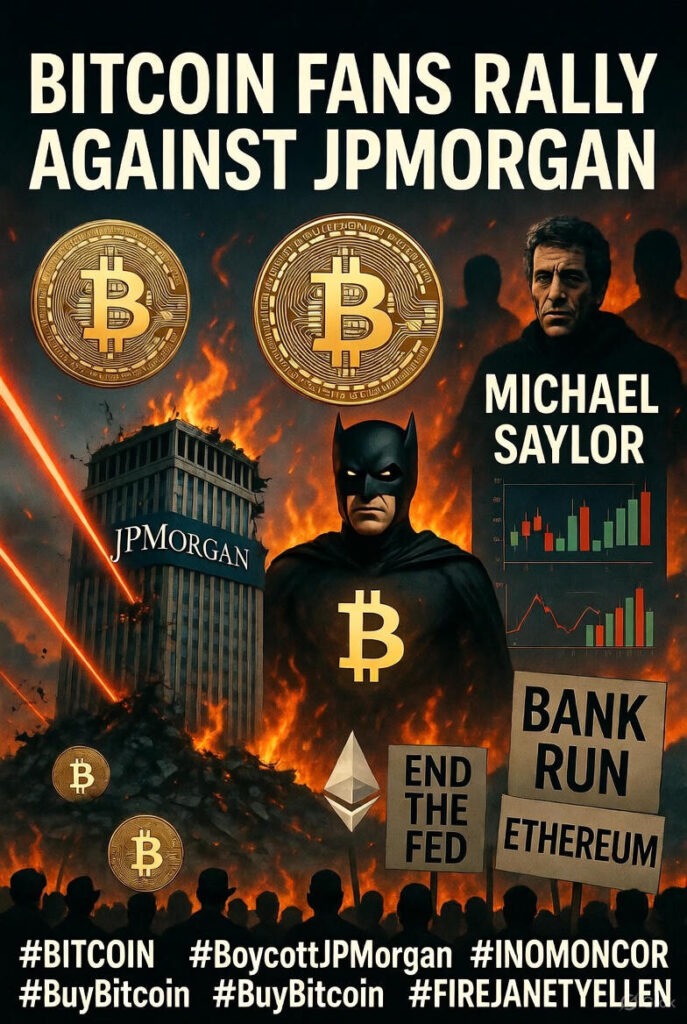
Real estate mogul and vocal Bitcoin bull Grant Cardone jumped in with a personal gut punch: “I just pulled $20 million from Chase and suing them for credit card malfeasance.” Ouch—nothing says “enough is enough” like yanking eight figures and threatening lawsuits.
Bitcoin evangelist Max Keiser amped up the rhetoric, tweeting: “Crash JPMorgan and buy MicroStrategy and BTC.” Hashtags like #BoycottJPMorgan and #BuyBitcoin are trending, turning this into a full-fledged movement.
Adding rocket fuel to the fire, crypto influencer Wendy O (@CryptoWendyO) hosted a heated Twitter Space over the weekend blasting “INSANE JP MORGAN BITCOIN ALLEGATIONS.” Discussions swirled around JPMorgan’s deep ties to Jeffrey Epstein, including banking his operations and settling lawsuits over alleged trafficking facilitation—while allegedly shorting MicroStrategy stock and pushing anti-Bitcoin narratives. Wild rumors even surfaced about Epstein secretly funding early Bitcoin development through MIT, hijacking the project for centralized control.
The allegations didn’t stop there. Strike CEO Jack Mallers dropped a bombshell, accusing JPMorgan of debanking his entire family in a blatant attack on Bitcoin innovators. Echoing the sentiment, voices like @Bitcoinfinity urged followers: “JP Morgan banked Epstein. JP Morgan is attacking #Bitcoin. Close your accounts with them. Put that money in Bitcoin or $MSTR.” Even lesser-known voices are piling on. Investor Fred Krueger chimed in, warning that this exclusion could “force digital asset prices down” through ripple-effect sell-offs. The sentiment is clear: If Wall Street wants to play dirty with crypto adoption—from Epstein scandals to outright debanking—the community will hit back where it hurts—the bottom line.
The Boycott Blitz: From Tweets to Real Money Moves
The X firestorm is real—semantic searches show posts exploding since Nov 20, with rage aimed at JPM as the “gleeful saboteur.” Here’s a snapshot of the heavy hitters:
| Influencer | Key Call to Action | Impact/Vibe |
|---|---|---|
| Grant Cardone | “I just pulled $20M from Chase and suing them for credit card malfeasance.” | Personal nuke—shows whales walking the talk. Max Keiser replied: “Crash JPMorgan and buy Strategy and BTC.” |
| Max Keiser | Direct boycott pushes, tying it to anti-BTC “sabotage.” | Amping the rebellion; his posts have 100K+ views, fueling #BuyBitcoin. |
| CryptoWendyO (@CryptoWendyO) | Hosted Nov 23 Twitter Space on “INSANE JP MORGAN BITCOIN ALLEGATIONS”—Epstein banking ties, shorting MSTR, debanking families. | Conspiracy central: Rumors of Epstein funding early BTC via MIT for “centralized hijack.” Threads lit up with “Was Epstein a Bitcoin founder?” queries. |
| Jack Mallers (Strike CEO) | Accused JPM of debanking his family to crush BTC innovators. | Adds personal vendetta; echoed by @Bitcoinfinity: “JP Morgan banked Epstein. Close your accounts—put it in BTC or $MSTR.” |
| Fred Krueger | Warned of “sell-off cascade” forcing digital asset prices down. | Broader econ angle; ties to volatility fears as passive flows dominate ($trillions at stake). |
Why This Bitcoin Boycott Matters for Crypto’s Future
This isn’t just online noise; it’s a symptom of deeper tensions. JPMorgan, long a skeptic of Bitcoin (their CEO once called it a Ponzi scheme), has been tiptoeing into crypto with its own blockchain experiments. But moves like amplifying MSCI’s anti-crypto stance feel like a betrayal to holders who see BTC as the ultimate hedge against fiat follies. MicroStrategy’s bold strategy—stockpiling over 250,000 BTC as of late 2025—has made it a beacon for corporate adoption. Excluding it could chill other firms from following suit, stalling the mainstream Bitcoin push.
Economically, the stakes are sky-high. Passive investing now dominates markets, with trillions flowing into indexes without human intervention. A forced exodus for crypto treasuries? That’s a recipe for volatility that could shave thousands off Bitcoin’s price in a flash. Analysts are already buzzing about the “sell-off cascade” risk, especially if more indexes like S&P follow MSCI’s lead. And with fresh Epstein-JPMorgan-Bitcoin allegations bubbling up, trust in big banks is eroding faster than ever.
What’s Next in the JPMorgan vs. Bitcoin Saga?
As calls to boycott JPMorgan gain steam—now laced with Epstein conspiracy theories and debanking horror stories—the crypto crowd is channeling the energy into action: Ditch Chase accounts, short the stock, and double down on BTC and MicroStrategy shares. Saylor’s team hasn’t announced plans to trim holdings—far from it—but expect more fiery defenses as January 2026 approaches.
For Bitcoin investors, this is a wake-up call: Traditional finance isn’t rolling out the red carpet. It’s building walls—and maybe even funding the trolls. Whether this boycott dents JPMorgan’s empire remains to be seen, but one thing’s certain—the Bitcoin community isn’t backing down. Stay tuned as this crypto boycott unfolds; it could redefine the battle lines between old money and digital gold.


Subscribe To Our Newsletter
Join our mailing list to receive the latest news and updates from our team.