
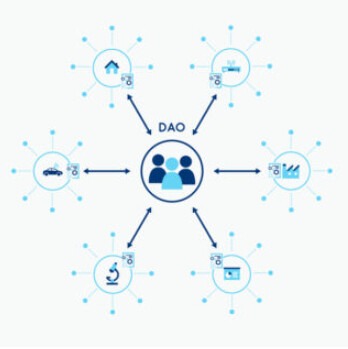
- Decentralized Autonomous Art Organizations (DAAOs) democratize art by decentralizing decision-making and reducing the potential for censorship.
- DAAOs empower artists through blockchain technology, enabling direct connections with supporters and eliminating intermediaries.
- DAAOs level the playing field in the art market. By eliminating traditional gatekeepers, fostering transparency, and enabling cultural exchange, especially for artists from emerging markets.
In recent years, innovative concept has been gaining momentum in the art world – Decentralized Autonomous Art Organizations, or DAAOs for short. These organizations present a shift from traditional art institutions, offering a new and democratic approach to the creation, promotion, and ownership of art. In this article, we will look into the world of DAAOs, exploring their core principles, operations, and their potential to revolutionize the art landscape.
Understanding Decentralized Autonomous Art Organizations

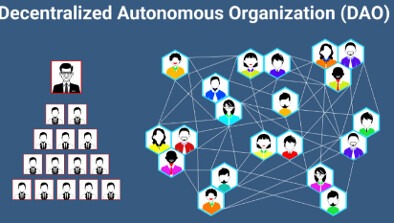
- Decentralized Foundations
At the heart of DAAOs lies the concept of decentralization. Conventional art institutions, typically governed by a centralized authority, differ from this approach. Distributed format ensures that DAAOs operate, sharing decision-making among all participants. This not only democratizes the process but also minimizes the potential for censorship or manipulation.
- Empowering Creativity
DAAOs are designed to empower artists by providing them with direct access to a global audience. Through blockchain technology, creators can tokenize their artworks, enabling fractional ownership and facilitating a more inclusive patronage system. This fosters a direct connection between artists and their supporters, eliminating intermediaries and ensuring that a fair share of the value generated goes directly to the creators.
The Decentralized Art Market
- Eliminating Gatekeepers
One of the most transformative aspects of DAAOs is their ability to eliminate traditional gatekeepers in the art market. Traditionally, access to galleries, exhibitions, and collectors has been controlled by a select few. With DAAOs, artists can showcase their work to a global audience without the need for intermediaries, thereby leveling the playing field for emerging talents.
- Transparency and Trust
Blockchain, the technology underpinning DAAOs, offers an immutable ledger that records every transaction. This transparency engenders trust within the art community, as provenance and ownership history become easily verifiable. This not only safeguards the interests of artists and collectors but also combats issues related to forgery and art fraud.
The Impact of Decentralized Autonomous Art Organizations
- Empowering Emerging Markets
DAAOs hold immense potential for artists from emerging markets, providing them with a platform to gain international recognition. By leveraging the decentralized nature of blockchain, artists from regions with limited access to traditional art hubs can now connect with a global audience, expanding their reach and opportunities.
- Fostering Cultural Exchange
Decentralization also fosters a more inclusive and diverse art ecosystem. With barriers to entry reduced, artists from diverse backgrounds and cultures can share their unique perspectives, enriching the global art narrative. This cultural exchange not only broadens artistic horizons but also promotes understanding and appreciation across borders.
- Cultural Enrichment
DAAOs do not only serve as a means for cultural exchange. It expands artistic horizons and also serves as a catalyst for mutual understanding and appreciation across borders, reinforcing the power of art in bringing people together.
Benefits of Decentralized Autonomous Art Organizations (DAAOs)
Incorporating DAAOs into the art world brings about a range of benefits that artists, collectors, and art enthusiasts can appreciate:
- Empowering Artists and Collectors
DAAOs empower artists to take control of their work, ensuring they receive a fair share of the value they create. Collectors also benefit from more direct and transparent transactions, knowing the true provenance and ownership history of artworks.
- Fostering Inclusivity
DAAOs break down traditional barriers to entry, enabling artists from diverse backgrounds to participate in the global art scene. This inclusivity promotes a broader representation of artistic voices and styles.
- Reducing Fraud and Forgery
Blockchain technology immutable ledger provides a reliable record of an artwork’s history, reducing the risk of art fraud and forgery. This builds trust within the art community, ultimately benefiting both artists and collectors.
- Enhancing Cultural Exchange
It promotes cultural exchange by facilitating the sharing of art from different regions and backgrounds. This cross-cultural dialogue enriches the global art narrative and promotes understanding among diverse communities.
The Pros and Cons of DAAOs
As with any innovative concept, DAAOs come with their own set of advantages and challenges. Here’s a closer look at the pros and cons:
Pros:
- Democratization
DAAOs democratize the art world by reducing central authority and censorship, making it more accessible to a wider range of artists and collectors.
- Transparency
The blockchain technology ensures transparent and tamper-proof transaction records, which can help in verifying authenticity and provenance.
- Inclusivity
DAAOs open doors for artists who may have struggled to gain recognition in traditional art markets.
Cons:
- Learning Curve
Understanding and navigating the world of blockchain technology and DAAOs may be challenging for some artists and collectors.
- Market Volatility
The digital nature of DAAOs can expose participants to market volatility and potential risks associated with cryptocurrencies.
- Regulatory Uncertainty
The regulatory landscape for DAAOs is still evolving, which can pose legal and compliance challenges.
Why You Need to Embrace DAAOs
Embracing DAAOs is essential for anyone interested in art in the digital age. These organizations not only provide new opportunities for artists and collectors but also represent the future of art. By understanding and engaging with DAAOs, you can:
- Stay Relevant
The art world is evolving, and those who embrace DAAOs will remain relevant and adaptive in a changing landscape.
- Access New Markets
DAAOs open the door to global markets, allowing artists and collectors to reach a wider audience.
- Ensure Transparency
DAAOs promote transparency and trust, ensuring a safer and more accountable art ecosystem.
Making Money From DAAOs
While the primary motivation for participating in DAAOs may be artistic or cultural, there are ways to potentially generate income:
- Tokenization of Art
Artists can tokenize their artwork and sell fractions of ownership, enabling them to benefit from the value appreciation of their creations.
- Investment
Collectors can invest in tokens representing valuable art, hoping for future appreciation in value.
- Secondary Market
Artists and collectors can engage in the secondary market, buying and selling tokens as the value of the art fluctuates.
- Collaborations and Commissions
Artists can use DAAOs to collaborate on commissioned works, expanding their income streams.
Conclusion
Decentralized Autonomous Art Organizations represent an evolution in the art world. By decentralizing decision-making and empowering artists with direct access to a global audience, DAAOs are redefining the dynamics of the art market. Through transparency, inclusivity, and cultural exchange, these entities are poised to democratize creativity and revolutionize the way we perceive and interact with art. Embracing the decentralized future is not merely an option, but a necessity for a more vibrant and equitable art ecosystem.
Featured Image form National Law Review
_
The information provided in this article is for informational purposes only and should not be considered financial advice. The article does not offer sufficient information to make investment decisions, nor does it constitute an offer, recommendation, or solicitation to buy or sell any financial instrument. The content is the opinion of the author and does not reflect any view or suggestion or any kind of advice from CryptoNewsBytes.com. The author declares he does not hold any of the above mentioned tokens or received any incentive from the company.


Subscribe To Our Newsletter
Join our mailing list to receive the latest news and updates from our team.