
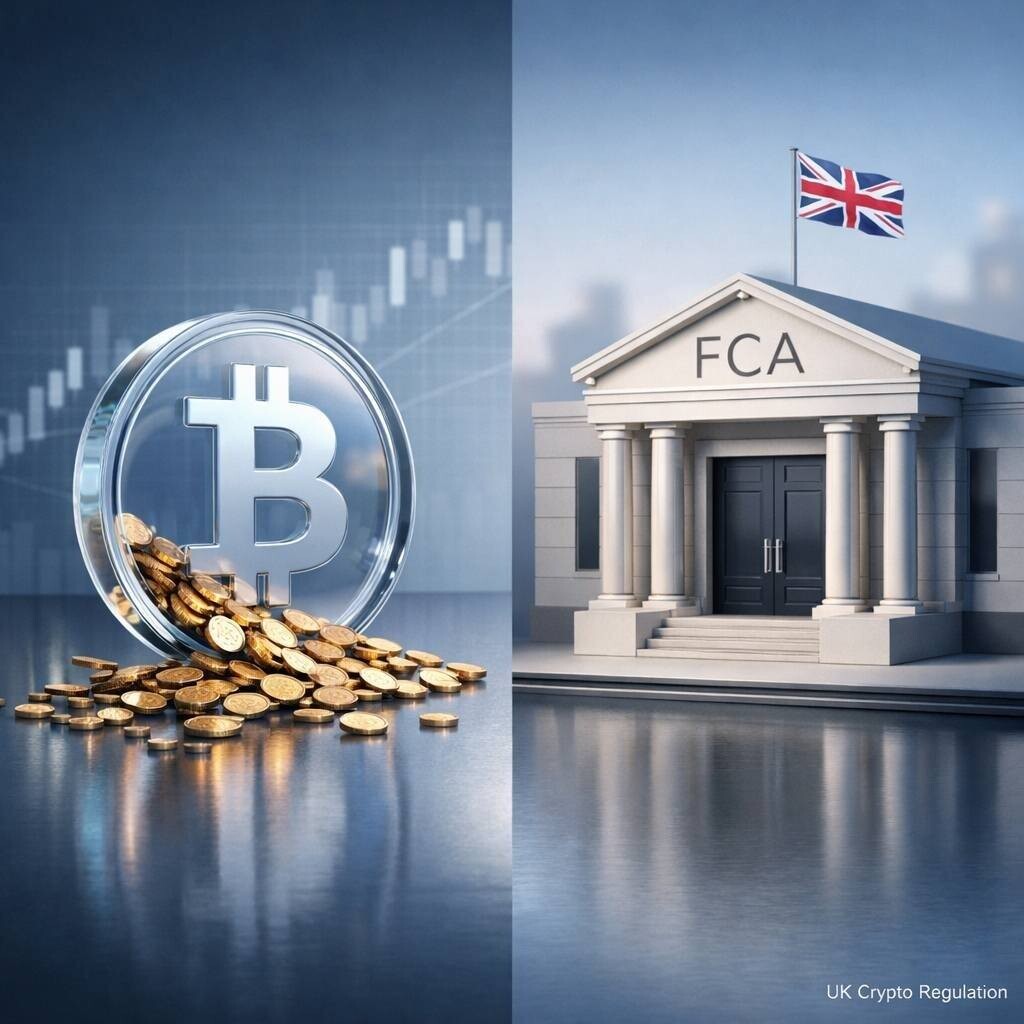
- FCA enters final consultation on ten crypto rules, with feedback due by March 12, covering conduct, credit card limits, reporting, and safeguarding.
- Licensing regime for crypto service providers slated to open applications in September 2026, adding oversight for custody and trading.
- Government reviews crypto donations and DeFi tax plans, while markets track bitcoin ETF outflows as a separate indicator.
The UK’s Financial Conduct Authority (FCA) has moved to the last phase of consultations on a broad set of crypto rules, as markets also track unrelated developments such as bitcoin ETF outflows. The regulator said its latest publication is the “final step” in its consultation process and asked the industry to respond to a package of proposals intended to bring crypto activity closer to the standards applied in traditional finance. The FCA’s stated goals include clearer operating expectations for firms and stronger transparency for consumers using digital asset products in the UK.
FCA moves to final consultation on 10 proposals
In its most recent consultation paper, the FCA invited comments on ten separate proposals that touch both market functioning and consumer protection. Feedback is due by March 12. According to the regulator, the proposals are designed so that crypto firms face similar expectations to those applied to conventional financial services businesses.
The measures listed by the FCA include new standards for business conduct and restrictions related to purchasing cryptocurrencies with credit cards. The package also covers expanded reporting requirements, along with rules focused on how customer assets are safeguarded. Another part of the proposal set addresses retail collateral connected to lending activities. Taken together, the FCA framed the work as an effort to improve operational clarity for firms while also making disclosures and protections more consistent across the sector.
The regulator said the intent is to support “an open, sustainable and competitive crypto market that people can trust.” At the same time, it cautioned that digital assets remain risky and that new rules are not meant to remove price volatility. Instead, the FCA positioned the proposals as a way to improve transparency and help consumers better understand crypto services and products. The consultation work sits within a wider UK government plan to place crypto activity within the country’s regulatory perimeter.
Timeline for licensing, alongside market attention on bitcoin ETF outflows
While the FCA consultation continues, the authority also published a schedule for introducing a licensing regime for crypto asset service providers. Under the timeline set out by the regulator, firms would be able to begin applying for authorization starting in September 2026, when the application window is expected to open.
The forthcoming regime would require crypto businesses to obtain FCA approval and then follow ongoing obligations once authorized. The FCA did not provide all operational details for the licensing framework, saying additional updates will come nearer to launch. Still, it described the direction of travel as tighter supervision of crypto operations in the UK, with structured oversight covering custody, trading, and standards for service conduct.
The FCA also noted it has continued developing its approach since December, when it released earlier plans. It said it has since refined elements of the framework as part of the broader effort to align crypto oversight with established financial systems.
In the background, market watchers continue to monitor bitcoin ETF outflows as a separate indicator of investor positioning. Those flows are not part of the FCA paper, but they remain a topic that often sits alongside regulatory developments when firms and consumers assess how digital asset activity is evolving.
Government weighs crypto donations and DeFi tax treatment
Separately from the FCA process, the UK government is reviewing whether cryptocurrency donations to political parties should be prohibited. The review follows an announcement by Reform UK that it would accept digital assets as political donations. People familiar with the talks said the idea is included in the upcoming Elections Bill, although it has not been officially confirmed.
Reform UK has described itself as the country’s most crypto-friendly political party, and it is led by Nigel Farage. The discussion over donations is running in parallel with the FCA’s regulatory work, reflecting how crypto-related questions are being considered across different areas of UK policy.
The UK Treasury has also backed a change to how decentralized finance (DeFi) activity is taxed. Under the proposal, users would not trigger capital gains tax when depositing tokens into lending protocols. The change would remove tax consequences tied to actions that are not disposals within DeFi platforms and pools. The government has not finalized this approach, but it is continuing consultations with the industry on technical details.
Conclusion
The FCA’s “final step” consultation sets a March 12 deadline for industry feedback on ten proposals covering conduct, consumer protections, reporting, safeguarding, and lending-related collateral, while a separate licensing regime is slated to begin accepting applications in September 2026. Alongside these regulatory plans, other UK policy debates are underway, including a review of crypto political donations and proposed DeFi tax adjustments. As these discussions progress, bitcoin ETF outflows remain one of several market signals that participants watch while assessing the sector’s direction under tightening oversight.
Disclaimer
The information provided in this article is for informational purposes only and should not be considered financial advice. The article does not offer sufficient information to make investment decisions, nor does it constitute an offer, recommendation, or solicitation to buy or sell any financial instrument. The content is opinion of the author and does not reflect any view or suggestion or any kind of advise from CryptoNewsBytes.com. The author declares he does not hold any of the above mentioned tokens or received any incentive from any company.
Featured image created by AI


Subscribe To Our Newsletter
Join our mailing list to receive the latest news and updates from our team.