

- The US Federal Reserve sends a cease-and-desist letter to Bitcoin Magazine over alleged trademark violations.
- Bitcoin Magazine defends its use of the term “FedNow” on merchandise as protected free speech and political parody.
- This trademark dispute has implications for free speech, intellectual property, and the cryptocurrency industry.
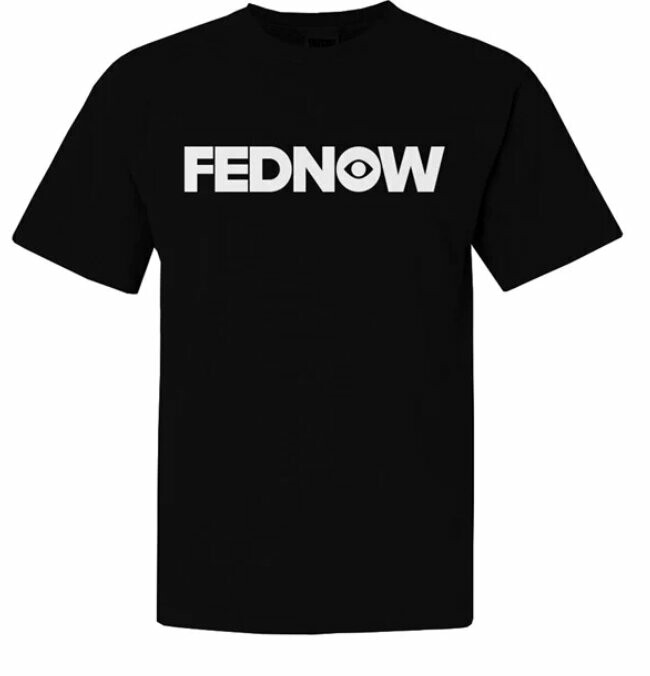
The United States Federal Reserve recently issued a cease-and-desist letter to Bitcoin Magazine, a leading crypto media publication. This action comes as the Federal Reserve accuses Bitcoin Magazine of trademark violations related to its use of the term “FedNow” on merchandise such as t-shirts, hats, and other wearables. FedNow is the trademarked name of the Federal Reserve’s instant payment system. In response to these allegations, Bitcoin Magazine’s legal team has denied the claims, asserting that the merchandise is intended as a form of parody and political criticism directed at the Federal Reserve.
The Allegations and Bitcoin Magazine’s Defense
The Federal Reserve accuses Bitcoin Magazine of misleading readers with its “FedNow” merchandise, while the magazine’s legal team asserts it is a parodic critique. They argue that the presence of an eye symbol symbolizes the alleged financial surveillance the Federal Reserve aims to impose.
The Symbolism of the “All-Seeing Eye”
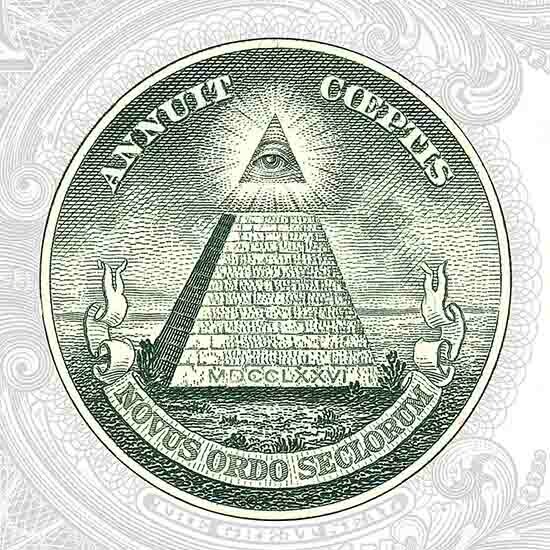
The term “all-seeing eye” or the “Eye of Providence” refers to a symbol depicted in Jacopo Pontormo’s 1525 painting, “Supper at Emmaus,” and later featured on the back of the U.S. one-dollar bill. Bitcoin Magazine draws inspiration from this symbol to convey its message about the perceived level of financial surveillance associated with the Federal Reserve’s actions.
Bitcoin Magazine’s Assertion of Free Speech
Bitcoin Magazine firmly asserts that its “FedNow” merchandise falls within the realm of protected free speech under the First Amendment. In light of this belief, the publication has made it clear that it will not halt the production or sale of its merchandise. By taking this stance, Bitcoin Magazine aims to defend the principles of free expression and criticize what it perceives as undue control and influence exerted by the Federal Reserve.
FedNow and Bitcoin Magazine’s Criticism
FedNow is an interbank payment system introduced by the Federal Reserve in July. The system enables banks and money transmitter services to facilitate instant payments, eliminating the reliance on the traditional automated clearing house (ACH) system. However, Bitcoin Magazine has been highly critical of FedNow in its articles and videos, characterizing it as a “scam” that perpetuates government control over individuals, businesses, and financial transactions.
Privacy Concerns and Political Opposition
U.S. presidential candidates Ron DeSantis and Robert Kennedy, Jr. have also criticized FedNow, expressing concerns that it may pave the way for the implementation of a future central bank digital currency (CBDC). They argue that such a currency would infringe upon Americans’ privacy rights. In response, the Federal Reserve has refuted any claims linking FedNow to the development of a CBDC.
Protecting Free Speech and Evaluating Trademark Disputes
The trademark dispute between Bitcoin Magazine and the Federal Reserve raises important questions surrounding the boundaries of free speech, parody, and intellectual property rights. The resolution of this case carries implications for the cryptocurrency industry, media outlets, and the broader landscape of expression and criticism.
In a rapidly evolving digital environment, it becomes crucial to strike a balance between safeguarding trademarks and upholding the principles of open discourse. The outcome of this dispute will shed light on the legal and constitutional considerations regarding the use of trademarks in the context of political commentary and satire.
Conclusion
In summary, the trademark dispute between Bitcoin Magazine and the US Federal Reserve underscores the delicate balance between free speech and intellectual property rights. Bitcoin Magazine maintains that its “FedNow” merchandise is protected under the First Amendment as political commentary and parody. The outcome of this case will have broader implications for the cryptocurrency industry and the boundaries of expression in the digital age. Bitcoin Magazine will continue to defend its position and closely monitor developments in this trademark dispute.