
- PwC’s Global Crypto Regulation Report says rules are shifting from debate to implementation, with growing cross-border coordination.
- EU firms respond to MiCA on authorization, reserves, and governance; the U.S. focuses on stablecoins as the CLARITY Act is delayed and Trump opposes a CBDC.
- The UK moves to full authorization under FSMA with FCA and Bank of England oversight; the UAE and Switzerland solidify regimes as firms face higher compliance costs and clearer rules that may allow new products and banking access.
Crypto regulation is set to sharpen in 2026 as more jurisdictions move proposals into enforceable rules, according to PwC’s Global Crypto Regulation Report. The accounting firm said countries that set clearer expectations for market participants are likely to take the lead in the industry. PwC framed the year ahead as a period when outcomes will depend less on argument over frameworks and more on how rules are carried out, as jurisdictions compete to attract capital and credibility.
How crypto regulation is shifting from debate to enforcement
PwC described a global environment that is increasingly shaped by implementation rather than policy discussion. As legislation advances, competition between jurisdictions is expected to intensify, with governments aiming to position themselves as hubs for digital asset activity. Alongside this, the report pointed to growing cross-border coordination, driven by shared goals that include strengthening international market integrity, reducing financial crime, and improving investor protection.
Matt Blumenfeld, PwC’s global and U.S. head of digital assets, said the pace of regulatory collaboration is increasing, and that this is moving in tandem with institutional adoption of cryptocurrency. In the report, Blumenfeld argued that regulation is now actively influencing market structure and helping digital assets expand in a controlled way. He also linked the coordination between regulators to efforts to support safer innovation and interoperability across digital finance.
For crypto firms, PwC said the same trend cuts both ways. Compliance burdens are expected to rise as requirements become more specific and enforcement-oriented. At the same time, clearer obligations can reduce uncertainty, potentially opening paths to additional products, improved banking access, and broader institutional involvement.
Regional developments in crypto regulation: EU, U.S., and U.K.
In the European Union, PwC said market participants are adjusting to the Markets in Crypto-Assets (MiCA) regulation. The report highlighted operational areas where firms are responding to the new expectations, including authorization requirements, reserve obligations, and governance standards. PwC also noted that the bloc is preparing for the possible introduction of a digital euro.
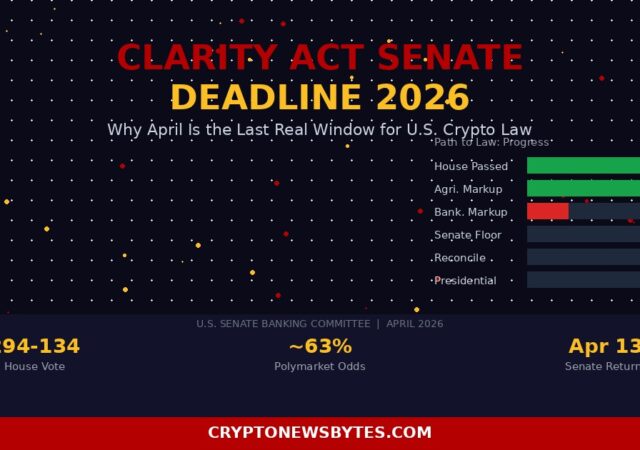
The report contrasted that EU posture with the United States, where President Donald Trump opposes a central bank digital currencies (CBDC). PwC said the U.S. policy focus is instead centered on dollar-pegged cryptocurrency payments and the use of stablecoins to support the dollar’s global position. However, the report also flagged legislative friction: the CLARITY Act is facing delays, which PwC attributed to bankers’ opposition to stablecoin yields.
In the United Kingdom, PwC expects a significant change as crypto-asset activities move under a full authorization model rooted in the Financial Services and Markets Act (FSMA). The report said the U.K. has built a framework intended to strengthen investor protections and to establish a dual supervisory structure for payment stablecoins. Under that approach, oversight would be shared between the Financial Conduct Authority (FCA) and the Bank of England.
UAE and Switzerland tighten virtual asset frameworks
Outside Europe and North America, PwC said the United Arab Emirates and Switzerland are also reinforcing their virtual asset regimes. While the report did not detail specific measures for those jurisdictions, it grouped both countries among those working to make regulatory expectations more concrete as the sector matures and as international coordination grows.
PwC Legal partner Michael Huertas tied competitiveness in this environment to operational design. In the report, he said firms that embed compliance, resilience, and transparency into core processes will be best positioned as rules become more detailed and consistently applied.
Conclusion
PwC’s report described 2026 as a year when crypto regulation becomes more defined, with execution taking precedence over discussion. As governments coordinate more closely and compete to attract legitimate activity, crypto firms face higher compliance costs alongside the potential benefits of clearer pathways to products, banking relationships, and institutional participation.
Disclaimer
The information provided in this article is for informational purposes only and should not be considered financial advice. The article does not offer sufficient information to make investment decisions, nor does it constitute an offer, recommendation, or solicitation to buy or sell any financial instrument. The content is opinion of the author and does not reflect any view or suggestion or any kind of advise from CryptoNewsBytes.com. The author declares he does not hold any of the above mentioned tokens or received any incentive from any company.
Featured image created by AI