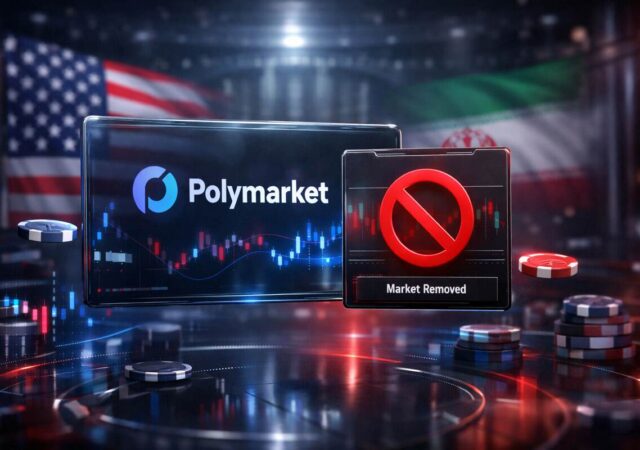
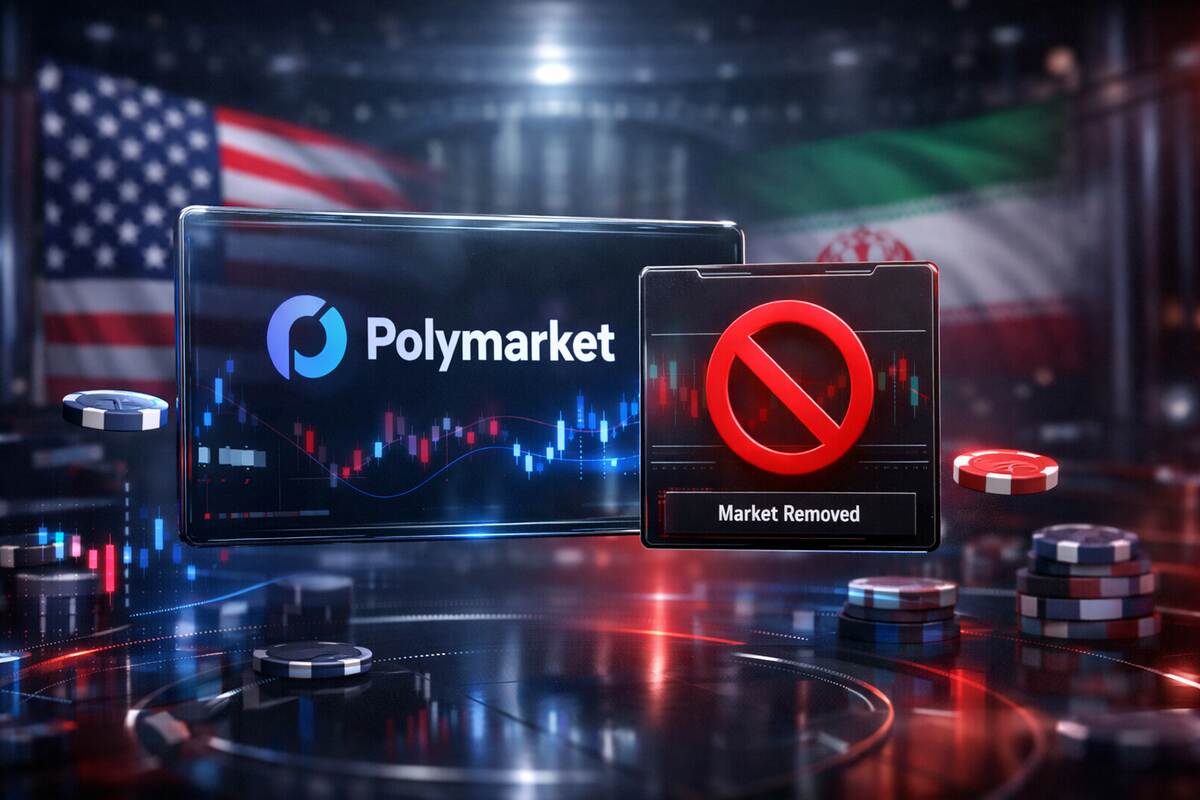
- Polymarket removed a market on the fate of a missing US service member, saying it failed to meet the platform’s integrity standards
- The delisting comes as Polymarket faces questions over its rules, rapid fee growth, and concerns about possible insider trading on event markets
On-chain prediction platform polymarket has withdrawn a controversial market tied to the fate of a missing U.S. service member after mounting criticism over users wagering on a potential rescue. The removal comes as the Ethereum-based venue faces wider questions about its market integrity rules, fee-driven growth, and the risk of insider trading on blockchain prediction markets.
Polymarket pulls high-profile market after backlash
The market at the center of the dispute asked whether U.S. authorities would confirm the rescue of a pilot reportedly shot down over Iran. A majority of traders, over 60%, had taken the position that no rescue would be confirmed by Saturday. The listing prompted a public outcry, including condemnation from U.S. Representative Seth Moulton, who criticized the idea of speculating on the survival of an injured service member.
In response, polymarket said it had immediately delisted the market, stating that it violated the platform’s “integrity standards” and should not have been listed. The team added that it is reviewing how the contract cleared internal checks before going live. However, the platform did not explain which specific clause or rule the market breached, leaving users debating the scope and application of its integrity policies.
The decision highlights an ongoing tension for crypto-native prediction markets that allow trading on real-world events through tokenized positions. While such venues seek to offer broad coverage of news and geopolitical developments, they face pressure to limit markets that cross ethical, reputational, or regulatory lines.
Market integrity rules at polymarket under scrutiny
The lack of clarity over which rule applied to the removed contract has fueled further scrutiny of polymarket’s governance and listing standards. Some users and observers examining the site’s “Market Integrity” page and terms of service have said they cannot identify a clearly relevant prohibition covering the removed market.
Business Insider correspondent Jack Newsham noted on X that, after reviewing these documents, he could not see which explicit rule had been violated. That reaction underscores a broader challenge for decentralized or crypto-aligned platforms: balancing flexible, open listing policies with clear, predictable standards that can be enforced when public or regulatory concerns arise.
For polymarket, the episode lands at a time of rapid growth. As previously reported, the platform significantly expanded its fee model on March 30, leading to a sharp jump in daily fees from around $363,000 to more than $1 million, with revenue peaking near $1 million. The fee changes span multiple categories, including finance, politics, and tech, reflecting a push to monetize rising on-chain volumes and growing trader interest.
The combination of surging activity and contentious listings increases the urgency for transparent integrity rules, as higher volumes and more attention can amplify the impact of problematic markets.
Insider trading worries on crypto prediction venues
Alongside questions about market integrity, polymarket and similar platforms are facing heightened concerns about insider trading on event contracts settled on-chain. Last month, reports surfaced of a group of traders earning about $1 million by correctly timing bets on U.S. strikes on Iran. Some of those positions were reportedly opened just hours before the attacks, using newly created wallets that focused almost exclusively on strike-related markets.
The trading pattern led to speculation that non-public information might have been used to place profitable wagers on the platform. Because prediction markets tokenize event outcomes, any misuse of confidential government or military information translates directly into on-chain profits or losses, making these venues a focal point for integrity and compliance debates.
In response to such risks, at least 42 Democratic lawmakers have urged the U.S. Commodity Futures Trading Commission and the Office of Government Ethics to warn federal employees against using non-public information to trade on prediction markets. Their call targets the intersection between government access to sensitive data and crypto-based market venues that can be accessed pseudonymously via wallets.
For polymarket, this regulatory attention adds another layer of pressure. The platform must manage not only which markets it lists, but also how it monitors trading patterns that might suggest misuse of inside information, even as many participants operate behind on-chain addresses.
Conclusion
The removal of the rescue-related market from polymarket highlights the complex ethical and regulatory landscape facing crypto prediction platforms. Rapid growth in fees and trading activity, combined with high-stakes geopolitical and military markets, has intensified scrutiny of listing standards and enforcement. At the same time, reports of potential insider trading and calls for federal guidance on use of non-public information underscore the broader risks surrounding on-chain event markets. How polymarket refines its integrity framework and responds to regulatory signals will be closely watched across the digital-asset and DeFi prediction ecosystem.
Disclaimer
The information provided in this article is for informational purposes only and should not be considered financial advice. The article does not offer sufficient information to make investment decisions, nor does it constitute an offer, recommendation, or solicitation to buy or sell any financial instrument. The content is opinion of the author and does not reflect any view or suggestion or any kind of advise from CryptoNewsBytes.com. The author declares he does not hold any of the above mentioned tokens or received any incentive from any company.
Featured image created by AI