- Coinbase CEO Brian Armstrong reverses his earlier stance and now calls the Digital Asset Market Clarity Act a strong bill ready to pass
- The bill has cleared the Senate Agriculture Committee but still awaits a markup in the Senate Banking Committee amid ongoing crypto policy discussions
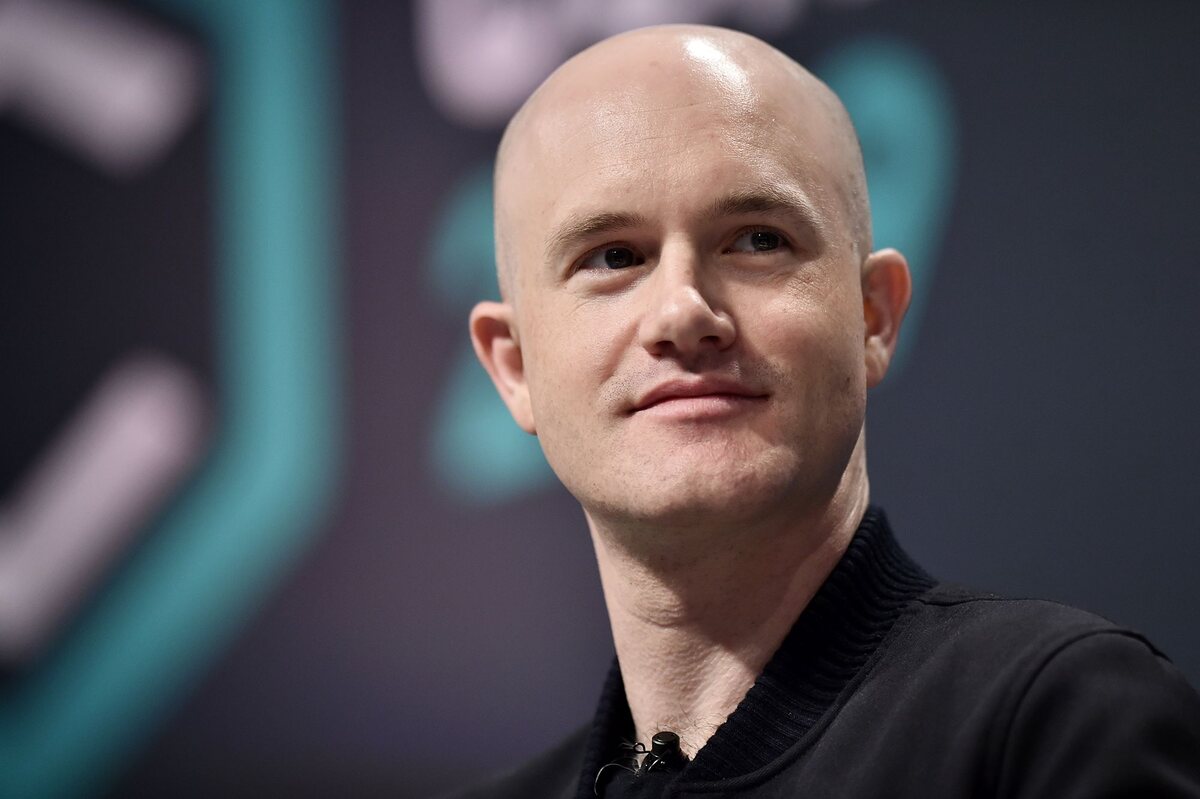
Coinbase CEO Brian Armstrong is once again backing the Digital Asset Market Clarity Act, signaling renewed support for a bill that could reshape the U.S. regulatory landscape for cryptocurrencies and digital asset markets. After withdrawing Coinbase’s endorsement in January over concerns with the then-current draft, Armstrong now says “it’s time” for lawmakers to move the legislation forward.
Coinbase CEO reverses stance on the Clarity Act
In a post on X on Thursday, Armstrong said Coinbase agreed with recent comments by US Treasury Secretary Scott Bessent, who used a Wall Street Journal op-ed to press Congress to act on the crypto bill. Armstrong described the current version of the Digital Asset Market Clarity Act as a “strong bill,” noting that it reflects months of negotiations involving lawmakers and representatives from both the crypto and banking sectors.
This is a notable shift from January, when the Coinbase CEO announced the exchange could not support the legislation “as written.” That announcement contributed to the Senate Banking Committee delaying a key markup of the bill, a procedural step required before it can advance. At the time, Armstrong suggested the bill could still pass “in a few weeks,” but disagreements around ethics rules, treatment of tokenized equities, stablecoin yield, and other crypto-specific concerns stalled the process.
Coinbase chief legal officer Paul Grewal said last week that lawmakers are “very close to a deal” on the legislation, underscoring how the exchange remains closely involved in shaping the final text.
Regulatory process and stakes for digital asset markets
The Digital Asset Market Clarity Act has already cleared one major hurdle, winning approval from the Senate Agriculture Committee in January. That committee’s work focuses on commodities regulation, while the Senate Banking Committee is responsible for securities-related elements. Both panels must align on their respective portions of the framework before the bill can reach the full Senate for a vote.
As of Friday, the Banking Committee markup had not yet been scheduled. The prolonged delay underscores how unresolved questions around tokenized equities, stablecoin-related yields, and broader ethical standards continue to complicate efforts to deliver a unified regime for digital asset oversight.
For major U.S. market participants like Coinbase, the bill represents an attempt to define more clearly which agencies supervise which types of crypto assets, and under what conditions exchanges and other intermediaries can operate. While specific provisions were not detailed in the recent statements, the legislative path and the public lobbying by the Coinbase CEO suggest that large exchanges view the current version as sufficiently workable to justify strong support.
Growing crypto influence in Washington and Coinbase’s positioning
The renewed endorsement from the Coinbase CEO comes amid broader scrutiny of how much sway the crypto industry holds in Washington. Analysts and policymakers have questioned the sector’s role in influencing elections, legislative agendas, and White House priorities since before Donald Trump took office as U.S. president.
Executives from Coinbase and Ripple Labs have been involved in discussions with administration officials on the Digital Asset Market Clarity Act. Armstrong reportedly met with Trump shortly before the former president posted on social media calling for quick action on crypto market structure, indicating that industry leaders are engaging directly with top decision-makers on how digital asset markets should be regulated.
That engagement appears to be coinciding with regulatory developments favorable to large crypto firms. The Office of the Comptroller of the Currency recently signed off on Coinbase’s application for a national bank trust charter. Similar approvals were granted in December to Paxos, Ripple Labs, BitGo, Circle, and Fidelity Digital Assets. While separate from the Clarity Act itself, these charters formalize the role of crypto-focused entities within the U.S. banking system, potentially reinforcing arguments that federal law needs to catch up with the sector’s institutional footprint.
Key takeaways
- Coinbase CEO now fully backs the latest version of the Digital Asset Market Clarity Act.
- Earlier objections from Coinbase helped delay a key Senate Banking Committee markup.
- The bill has passed the Senate Agriculture Committee but awaits Banking Committee action.
- Coinbase and Ripple executives have been in direct talks with administration officials on the legislation.
- Coinbase recently secured a national bank trust charter from the OCC, alongside several other major crypto firms.
Conclusion
Armstrong’s renewed push for the Digital Asset Market Clarity Act highlights how central the legislation has become to the policy agenda for major U.S. crypto companies. With the Coinbase CEO now calling the bill “strong” and pressing for swift passage, attention shifts back to the Senate Banking Committee, where unresolved issues around tokenized assets and crypto yields continue to hold up the process. At the same time, expanding regulatory recognition of firms like Coinbase through bank trust charters suggests that, regardless of the precise timing of the Clarity Act, the crypto industry’s role in U.S. financial regulation is deepening.
Disclaimer
The information provided in this article is for informational purposes only and should not be considered financial advice. The article does not offer sufficient information to make investment decisions, nor does it constitute an offer, recommendation, or solicitation to buy or sell any financial instrument. The content is opinion of the author and does not reflect any view or suggestion or any kind of advise from CryptoNewsBytes.com. The author declares he does not hold any of the above mentioned tokens or received any incentive from any company.
Featured image created by AI