
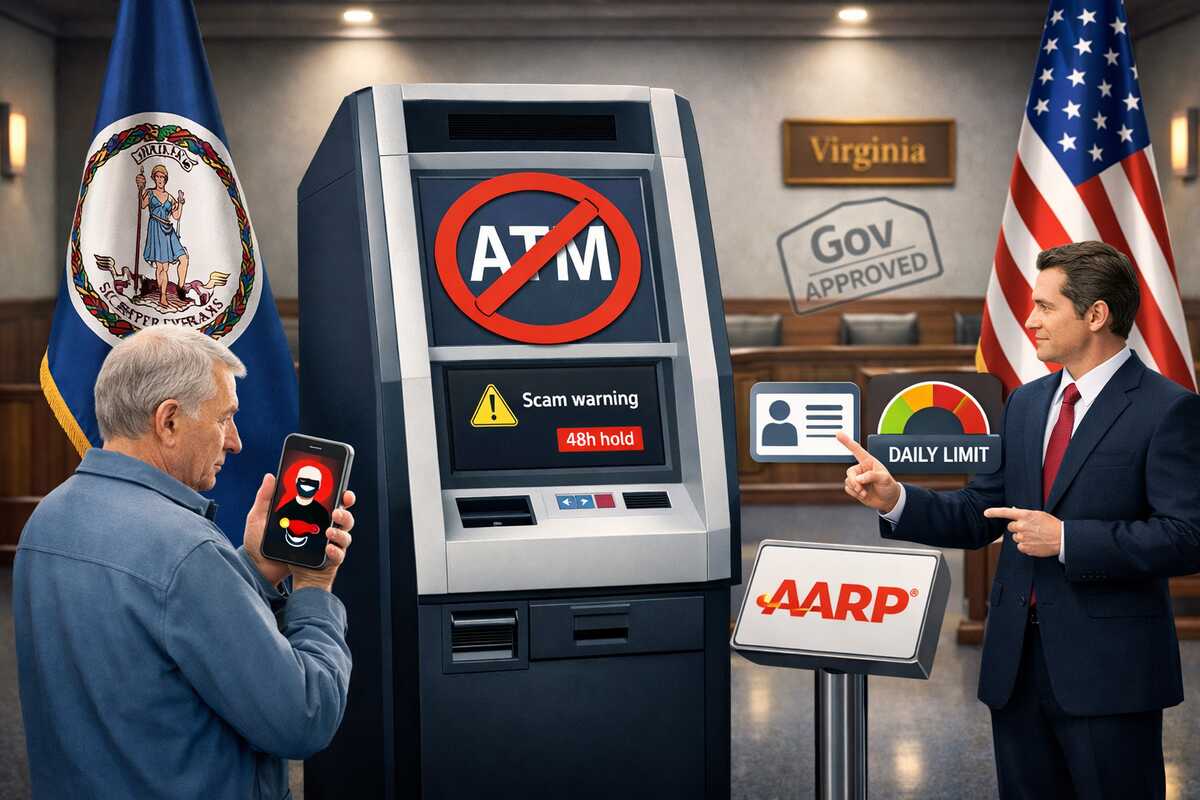
- Virginia’s bill would license crypto kiosks statewide, cap fees, require ID checks, and apply a 48-hour hold on first-time users to help address fraud.
- The measure bans marketing kiosks as ATMs, mandates clear scam warnings, and follows reports that about 7% of crypto kiosk activity involves scams.
Virginia lawmakers have advanced new rules targeting crypto kiosks, placing crypto ATM regulation at the center of a consumer protection effort. The legislation, backed by Delegate Michelle Maldonado, introduces licensing, fee caps, and transaction limits for operators, while seeking to reduce scams that have already cost residents thousands of dollars. The bill would also restrict how machines are marketed, aiming to prevent customers from confusing them with traditional bank ATMs.
Virginia moves to tighten crypto ATM regulation
The legislation establishes a statewide framework for crypto ATM regulation by requiring all kiosk operators to register with Virginia authorities and obtain licenses. As part of that process, companies must pay licensing fees and accept caps on the transaction fees they can charge consumers. Lawmakers designed these measures to bring a largely unregulated corner of the financial system under closer scrutiny, amid concerns that the machines are being used in fraud schemes.
Maldonado, who sponsored the bill, pointed to specific scam cases across the state to underline the need for oversight. One incident in Southwest Virginia involved a victim who lost $15,000, and additional cases have been reported in Fairfax County. Lawmakers cited estimates that scams make up about 7% of the crypto kiosk industry’s activity, warning that this share could rise without clear rules. Maldonado described the bill as an effort to set “guardrails” before the situation worsens.
A key part of the new framework is a ban on marketing these machines as ATMs or using ATM-related terms in promotions and signage. Policymakers say that many consumers assume the kiosks function like traditional cash machines, when in reality they are purchasing digital assets that are transferred into an exchange. By blocking ATM-style language, the bill aims to reduce misunderstandings about what these devices do and the risks involved.
New safeguards: holds, limits, and clear warnings
Beyond licensing, the legislation imposes several operational requirements intended to curb fraud. Operators must establish both daily and monthly transaction limits for each user, and they are required to verify identification for every transaction. These measures are designed to make it harder for scammers to move large sums quickly through the machines and to ensure that transactions can be linked to verified individuals if problems arise.
A central feature of the bill is a 48-hour fraud prevention hold for new users. When someone uses a kiosk for the first time, the transaction will be subject to this delay, giving operators an opportunity to review activity and, if they suspect fraud, return the funds before they are irretrievably converted into cryptocurrency. This is especially important because, as Maldonado emphasized, once funds are moved into an exchange and recorded on the blockchain, they cannot be traced back or recovered.
The rules also mandate prominent warning notices on every kiosk, clearly alerting customers to the risk of scams. This requirement reflects a belief among lawmakers that many users do not fully understand the permanence of blockchain transactions or the tactics used by fraudsters. The new registration system will track all operators doing business in the state, and the law requires operators to maintain mechanisms for refunding any recoverable portion of funds sent through the machines.
Maldonado has argued that part of the problem stems from how similar the machines appear to bank equipment. She noted that kiosks resemble ATMs in shape and setup, but instead of dispensing cash, they take deposits that are used to buy cryptocurrency credited to an account on a broader exchange. This visual similarity, she said, leads many people to assume they are using a familiar financial tool, when they are actually entering a very different environment.
Consumer advocates back crypto ATM regulation for seniors
AARP Virginia has strongly supported the bill, framing crypto ATM regulation as a necessary step to protect older residents. The group said the machines have become a favored channel for scammers, who exploit the lack of oversight and the speed of transactions. In statements supporting the legislation, AARP Virginia warned that seniors are especially susceptible to schemes involving fabricated debts, threats of legal action, and fraudulent romantic relationships, all of which can end with victims being directed to use crypto kiosks.
The organization argued that the combination of unregulated machines and highly vulnerable populations has created an urgent need for intervention. By imposing licensing, transaction limits, identity checks, and visible warnings, AARP Virginia believes the state can reduce the number of residents drawn into fraudulent transfers. The group also endorsed the 48-hour hold for new users, viewing it as a crucial window for recognizing red flags and stopping suspicious transactions before money is lost.
Maldonado has emphasized that the bill is meant to be proactive rather than a response to a fully developed crisis. She acknowledged existing fraud cases but stressed that the 7% scam share within the kiosk industry signals an early-stage problem. In her view, this is the right moment to put “guardrails and safeguards in place” to prevent that percentage from climbing, rather than waiting until the issue becomes more widespread and harder to control.
Conclusion
With the bill now on the governor’s desk, Virginia is poised to join a growing list of states implementing formal oversight of crypto kiosks as their use spreads. The proposal combines licensing, transaction caps, identity checks, a 48-hour hold for first-time users, and strict marketing rules to address confusion and fraud. Supporters, including AARP Virginia, frame these changes as targeted protections for consumers, particularly seniors, who may not understand the permanence and opacity of blockchain transactions. If signed into law, the measure would mark a significant step in crypto ATM regulation and could influence how other states respond to similar concerns.
Disclaimer
The information provided in this article is for informational purposes only and should not be considered financial advice. The article does not offer sufficient information to make investment decisions, nor does it constitute an offer, recommendation, or solicitation to buy or sell any financial instrument. The content is opinion of the author and does not reflect any view or suggestion or any kind of advise from CryptoNewsBytes.com. The author declares he does not hold any of the above mentioned tokens or received any incentive from any company.
Featured image created by AI