- Tether expands hiring to about 300 staff with plans for 150 more roles, mainly engineers, and adds regulatory and venture positions in several regions
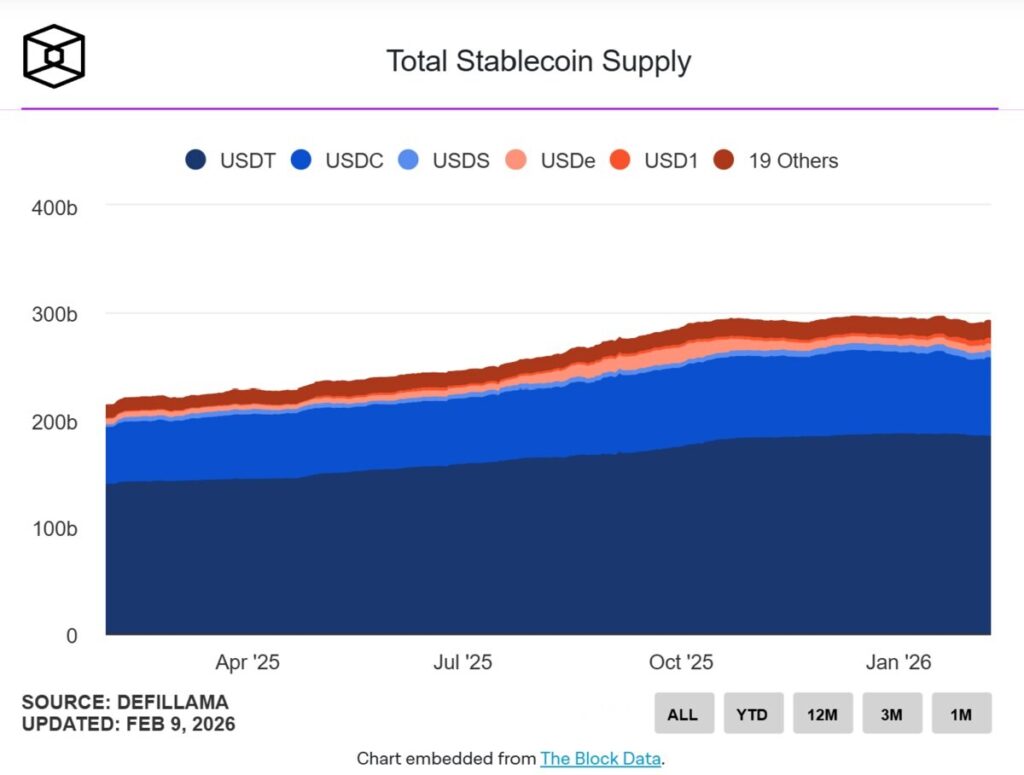
- USDT market cap grows from around $140 billion to about $185 billion as Tether invests in Rumble, Gold.com, and Anchorage Digital
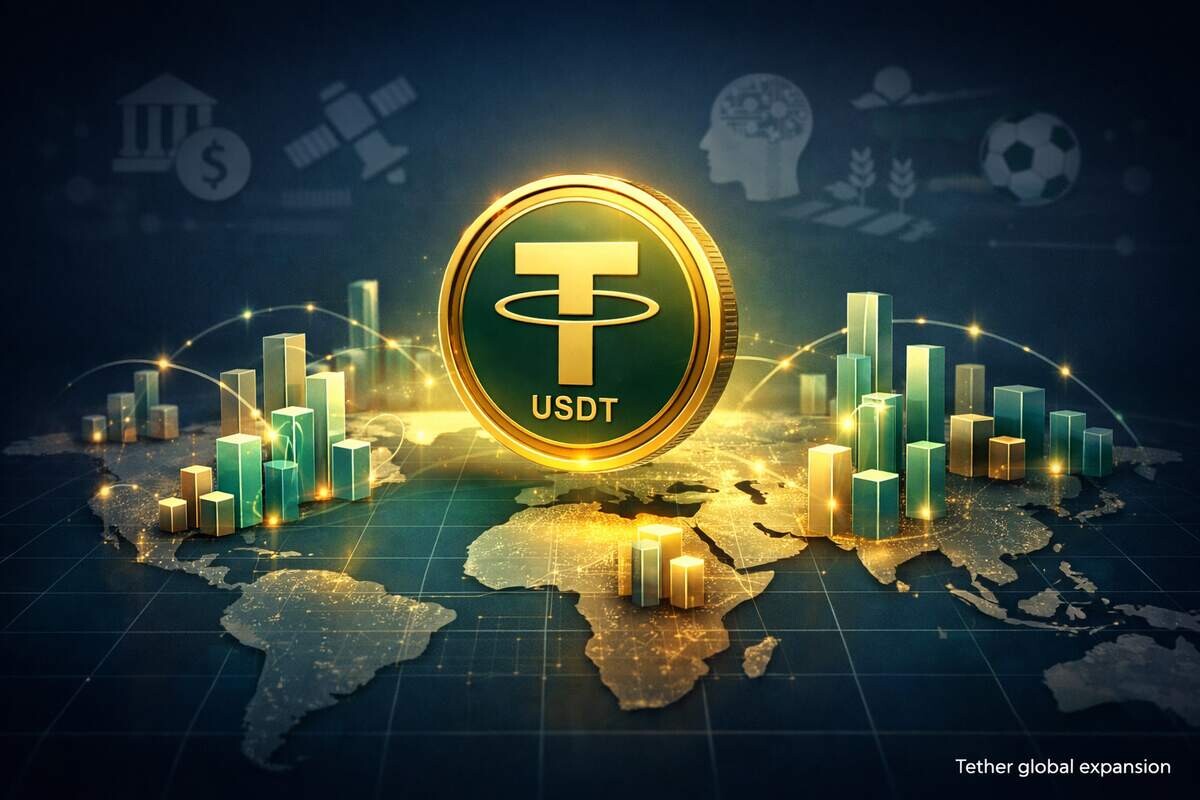
Tether, issuer of the world’s largest stablecoin, is intensifying its global expansion as it channels growing profits into new hires, technology initiatives, and a broad set of strategic investments, according to a recent Financial Times report. The push comes amid rising adoption of its USDT token, escalating competition among stablecoin providers, and continuing regulatory attention on reserve management and compliance standards.
Tether ramps up hiring and global footprint
The company has expanded its workforce to around 300 people and expects to bring on about 150 additional staff over the next 18 months, the Financial Times reported, citing internal plans. Most of these new roles are intended for engineers, underscoring the firm’s focus on technology development as it scales its operations.
Beyond engineering, Tether is recruiting for a range of specialized positions in multiple regions. Job listings on LinkedIn referenced by the FT show open roles such as AI filmmakers based in Italy, venture associates operating in the United Arab Emirates, and regulatory specialists in Ghana and Brazil. These postings indicate a strategy that combines technical expansion with on-the-ground regulatory and commercial capabilities in diverse markets.
The Block has sought further comment from Tether regarding the expansion and recruitment strategy. While the company has not yet publicly detailed its hiring roadmap, the scope and geographic spread of the positions suggest a coordinated effort to support both product development and compliance in jurisdictions outside the United States.
USDT growth underpins expansion plans
Tether’s more aggressive posture is being backed by rapid growth in demand for its flagship stablecoin, USDT. Over the past year, USDT’s market capitalization rose to roughly $185 billion, up from about $140 billion, based on data from The Block’s dashboard. That increase in scale has translated into greater revenue and profit, which the firm is now deploying across staffing, infrastructure, and investments.
The expansion is unfolding in an environment where rival stablecoin issuers are also stepping up their efforts. Circle, for example, went public last year, raising its profile and capital base as it competes for market share. At the same time, regulators around the world are examining how stablecoins are backed, how reserves are managed, and how issuers adhere to anti-money laundering and consumer protection rules.
In response, Tether has sought to strengthen its regulatory presence in jurisdictions beyond the U.S. One notable step has been its move to secure a regulatory foothold in Abu Dhabi Global Market, a financial center that has been positioning itself as a hub for digital assets. This strategy reflects a broader attempt to operate in environments with clearer regulatory frameworks while continuing to serve global users of USDT.
Strategic investments and the “freedom tech stack” vision
At a recent conference in San Salvador, Tether CEO Paolo Ardoino laid out an overarching vision for what he described as a “freedom tech stack,” according to the Financial Times. This concept spans several sectors, including finance, communications, intelligence, and energy, and appears to guide many of the firm’s current investment decisions.
Tether’s portfolio now extends well beyond traditional cryptocurrency ventures. The FT report highlighted investments ranging from South American agriculture projects to involvement with Italian football club Juventus. In technology, the company has committed capital to areas such as robotics, satellites, and artificial intelligence, aligning with its efforts to build out engineering capacity across multiple regions.
One of the most significant recent bets was an investment of roughly $775 million in Rumble, a video platform that positions itself as a YouTube alternative. Last month, Rumble introduced a non-custodial crypto wallet embedded directly into its streaming service. Tether’s backing of Rumble fits within its broader push to support infrastructure that combines digital media with integrated cryptocurrency features, reinforcing the “freedom tech stack” narrative that links finance and communications technologies.
Tether strengthens ties to physical assets and regulated infrastructure
Alongside digital initiatives, Tether has been increasing its exposure to metals and other tangible assets. The company committed $150 million to Gold.com, as reported by the FT, describing the move as part of a larger approach to support its digital asset activities with physical reserves. While USDT itself is not detailed in this context within the report, the investment signals a desire to connect parts of its ecosystem to commodity-linked value.
Tether has also deepened its relationships with regulated crypto infrastructure providers. The firm invested $100 million in Anchorage Digital, a platform that operates under U.S. regulatory oversight. By aligning with Anchorage, Tether appears to be reinforcing access to custody and institutional-grade services within a compliance-focused framework, which could be relevant as regulators continue to scrutinize stablecoin operations and reserve management practices.
These allocations, combined with the Rumble stake and sector-spanning projects in agriculture, sports, and advanced technology, suggest that Tether is using its rising profits to diversify beyond its core stablecoin product while still anchoring many investments to the broader digital asset ecosystem.
Key takeaways
- Workforce expanded to about 300 people, with plans to hire roughly 150 more in 18 months, mainly engineers.
- USDT market cap increased from around $140 billion to about $185 billion over the past year.
- Major recent investments include about $775 million in Rumble, $150 million in Gold.com, and $100 million in Anchorage Digital.
- Tether is pursuing a “freedom tech stack” strategy spanning finance, communications, intelligence, and energy.
Conclusion
Tether’s current phase of growth is marked by rapid hiring, rising USDT adoption, and a series of high-value investments that extend across technology, commodities, and regulated crypto services. Guided by Paolo Ardoino’s “freedom tech stack” vision, the company is attempting to position itself not only as a stablecoin issuer but also as a broader technology and infrastructure investor. This expansion is unfolding as competition from firms such as Circle intensifies and as regulators continue to assess the stability and compliance of major stablecoin providers. How Tether manages its growing workforce, diversified portfolio, and global regulatory relationships will be central to its role in the digital asset landscape in the coming years.
Disclaimer
The information provided in this article is for informational purposes only and should not be considered financial advice. The article does not offer sufficient information to make investment decisions, nor does it constitute an offer, recommendation, or solicitation to buy or sell any financial instrument. The content is opinion of the author and does not reflect any view or suggestion or any kind of advise from CryptoNewsBytes.com. The author declares he does not hold any of the above mentioned tokens or received any incentive from any company.
Featured image created by AI