- Vitalik Buterin has reduced his ether holdings by about 17,000 ETH since early February, after setting aside funds for privacy projects, with sales executed in smaller swaps through CoW Protocol during a period of price weakness.
- Ether has fallen 37% over the past month and roughly 60% in six months, while staking yields sit near 2.8% and large holders such as Bitmine Immersion Technologies are estimated to be carrying sizeable unrealized losses.
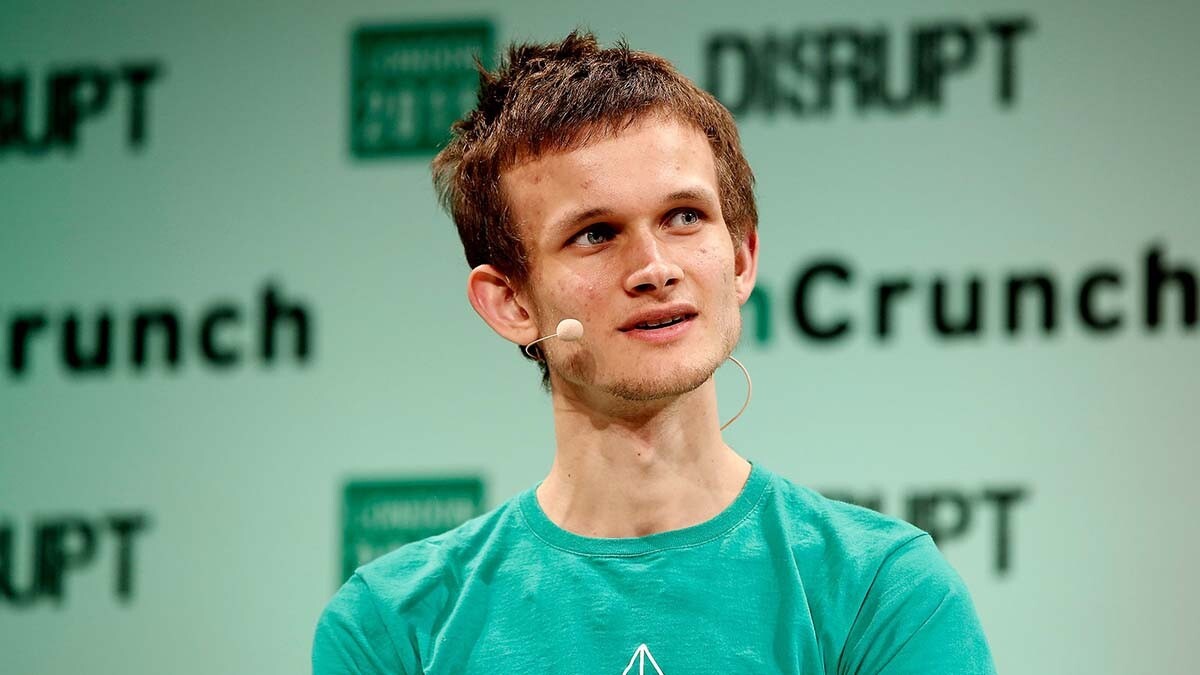
Ethereum co-founder Vitalik Buterin has been steadily reducing his ether holdings after earmarking a large tranche of funds for privacy-focused initiatives in January. His recent onchain activity coincides with a sharp slide in the price of ether, adding attention to both his personal asset moves and the broader pressures facing the network’s native token.
Vitalik Buterin’s ETH allocations and wallet moves
In January, Vitalik Buterin set aside 17,000 ether, valued at about $43 million at the time, to support a group of projects centered on privacy-preserving technologies, open hardware, and secure software systems. He indicated that this pool, specifically quantified as 16,384 ETH, would be dedicated to these areas and deployed over several years rather than spent quickly. Buterin also framed the initiative as one he would oversee directly, while the Ethereum Foundation moved into what he called a phase of “mild austerity” without altering its technical roadmap.
Blockchain analytics from Arkham Intelligence show that wallets attributed to Vitalik Buterin held approximately 241,000 ETH at the beginning of February. By the end of the month, that balance had fallen to around 224,000 ETH. The roughly 17,000 ETH difference is close to the amount he earmarked in January, and the decline in his wallet balance has unfolded via a series of outgoing transactions across the month.
Trading strategy and impact on ether price narrative
Arkham’s data indicates that Buterin’s ether sales have been executed using CoW Protocol, a decentralized exchange aggregator. Instead of large, single disposals, the transactions have been split into many smaller swaps. This method is a common tactic for large holders seeking to reduce market impact and slippage, particularly when trading size. In practice, it has resulted in a steady stream of sales rather than a single visible event.
Earlier in February, around $6.6 million in ether left his wallets over a three-day period. Another wave of transactions in the most recent three days moved roughly $7 million more. While these amounts represent a small portion of total market volume, the continued selling by one of Ethereum’s most visible figures comes at a difficult time for the asset.
Over the past month, ether has fallen 37%, according to CoinDesk market data, and was trading near $1,900 on Wednesday. Since Vitalik Buterin began these moves following his January allocation announcement, the token he is selling has shed more than a third of its value. The ongoing outflows contribute to a narrative of pressure on ether, even if the underlying motive is aligned with funding ecosystem infrastructure in a market where bitcoin and ethereum ETFs shift to inflows remains a key sentiment driver.
Network conditions, staking, and corporate exposure
Broader conditions on the Ethereum network provide additional context for these developments. More than 30% of the total ETH supply remains locked in staking contracts. However, yields for staked ether have compressed to around 2.8%. With risk-free alternatives offering competitive returns, the appeal of committing capital to staking has diminished, reducing one of the incentives that previously helped support demand for ETH.
The drawdown in price has also weighed on institutional and corporate holders. Bitmine Immersion Technologies, identified as one of the largest holders of ether, is now estimated to be sitting on billions of dollars in unrealized losses. This follows a period in which ether has dropped roughly 60% over six months, pushing the market price well below Bitmine’s average cost basis. The scale of these paper losses underscores how the token’s extended decline has affected entities that accumulated significant positions earlier in the cycle, even as Ethereum posts 4.2B net inflows in 2025 as L2 funds shift adds a separate long-term capital flow perspective.
Within this backdrop, Vitalik Buterin’s decision to allocate personal holdings toward privacy, hardware, and security initiatives highlights a trade-off between near-term market optics and long-term ecosystem projects. His plan to spend the funds gradually over years suggests a sustained focus on these areas despite shorter-term volatility in ether’s price, especially as tokenization and DeFi rules continue to shape the broader crypto policy environment and ethereum exploit incidents keep security risks in focus.
Conclusion
Vitalik Buterin’s recent ether movements reflect a structured plan to fund privacy and security projects at a time when the market for ETH is under strain. His wallets have shed roughly 17,000 ETH since early February, mirroring the amount he earmarked in January, while ether has lost 37% of its value over the past month and about 60% in six months. With staking yields near 2.8% and a significant share of supply locked, as well as corporate holders such as Bitmine Immersion Technologies facing large unrealized losses, his sales add to a complex environment in which personal allocations, protocol economics, and market sentiment intersect, alongside ongoing concerns after events such as an ether reserve drain.
Disclaimer
The information provided in this article is for informational purposes only and should not be considered financial advice. The article does not offer sufficient information to make investment decisions, nor does it constitute an offer, recommendation, or solicitation to buy or sell any financial instrument. The content is opinion of the author and does not reflect any view or suggestion or any kind of advise from CryptoNewsBytes.com. The author declares he does not hold any of the above mentioned tokens or received any incentive from any company.
Featured image source