
- The CFTC filed two proposals on Friday with 30-day comment windows.
- One proposal would define event contracts as swaps while another excludes casino-style gambling products.
- The measures come amid court fights involving Kalshi and state gambling regulators.
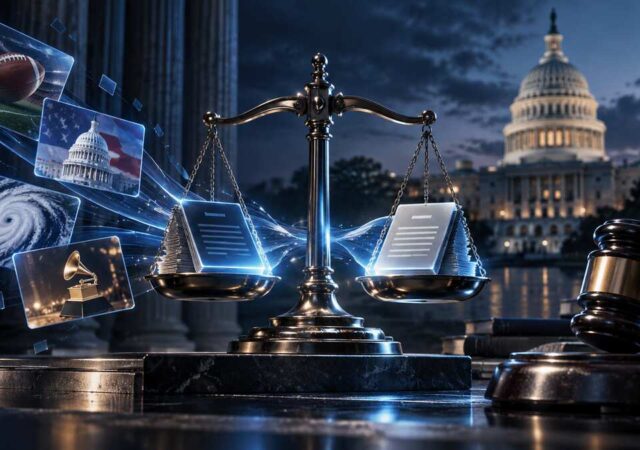
The CFTC has put forward two new proposals that could reshape how CFTC event contracts are treated under federal law. One measure would clarify that event contracts tied to sports, politics, cultural events, and weather fall within the definition of swaps, while the other would formally exclude casino-style gambling products from that same category. Filed on Friday, both proposals open 30-day comment periods and arrive as several states continue legal challenges against prediction-market operators including Kalshi and Polymarket. The agency says these products fall under its authority, while ongoing court disputes have raised broader questions about where federal oversight ends and state regulation begins.
CFTC event contracts proposal defines swaps
The first proposal would clarify that event contracts are included in the legal definition of swaps under federal law. The CFTC said these contracts include markets tied to sports, politics, cultural events, and weather. According to the proposal, such contracts are financial instruments commonly known to the trade as swaps, and the measure is intended to remove uncertainty around that classification.
CFTC Chairman Michael Selig said these products are commodity derivatives that fall within the agency’s regulatory remit under the Commodity Exchange Act. He added that they sit within the commission’s exclusive jurisdiction. By taking this position formally, the agency is attempting to reinforce its view that regulation of these contracts belongs at the federal level rather than with state regulators.
Casino gambling exclusion in the second measure
The second proposal takes the opposite approach for more traditional gambling products. It would codify the CFTC’s view that casino-style gambling products, including wagers placed on sportsbooks and casino games, are excluded from the definition of swaps. The agency said this is meant to clarify the limits of its own regulatory scope.
Selig said casino-style gambling products are not derivatives. He also said the commission is providing clarity by formally excluding those products from the swap definition, similar to how it has historically treated products already regulated by the states. Together, the two proposals draw a line between event-based financial contracts and products the agency sees as standard gambling activity.
Court cases around CFTC event contracts
The proposals arrive while several states are pursuing cases against prediction-market operators, including Kalshi and Polymarket, on claims of illegal gambling. The CFTC has also countersued to defend its federal jurisdiction over event contracts, arguing that these products are outside the reach of state regulators.
Cointelegraph reported in late September that Kalshi lost on appeal when the 6th US Circuit Court of Appeals ruled that Ohio and Tennessee can regulate sports-event contracts under state gambling laws. A three-judge panel sided unanimously with those states, finding that Kalshi failed to show its sports-event contracts are swaps under CFTC jurisdiction.
Federal and state dispute may reach Supreme Court
Another court ruling has pointed in a different direction. In April, the 3rd Circuit Court of Appeals allowed Kalshi to continue doing business in New Jersey while its appeal process moves forward. That ruling said Kalshi was likely to succeed in arguing that federal law preempts New Jersey’s regulations.
The split in outcomes has helped set the stage for a possible Supreme Court fight over federal and state jurisdiction. Cointelegraph also reported that a group of state lawmakers filed an amicus brief urging the Supreme Court to weigh in on the dispute between Kalshi and state gaming authorities. That case could help determine whether prediction market companies are primarily overseen by federal agencies or by the states.
Conclusion
The two new proposals show the CFTC trying to define more clearly where CFTC event contracts fit within federal law and where casino-style gambling does not. One measure would classify event contracts as swaps, while the other would exclude sportsbook and casino wagers from that category. Both were filed on Friday and carry 30-day comment periods. Their timing is significant because court decisions involving Kalshi have already produced conflicting views on whether federal or state authorities should control these markets. With legal disputes continuing and an amicus brief already urging Supreme Court review, the proposals could become part of a larger fight over jurisdiction
Disclaimer
The information provided in this article is for informational purposes only and should not be considered financial advice. The article does not offer sufficient information to make investment decisions, nor does it constitute an offer, recommendation, or solicitation to buy or sell any financial instrument. The content is opinion of the author and does not reflect any view or suggestion or any kind of advise from CryptoNewsBytes.com. The author declares he does not hold any of the above mentioned tokens or received any incentive from any company.
Featured image created by AI