
- The CFTC cleared stock-linked perpetual futures for registered U.S. exchanges.
- Equity perps will be overseen jointly by the CFTC and SEC.
- Regulators said the move offers a U.S. alternative to offshore venues.
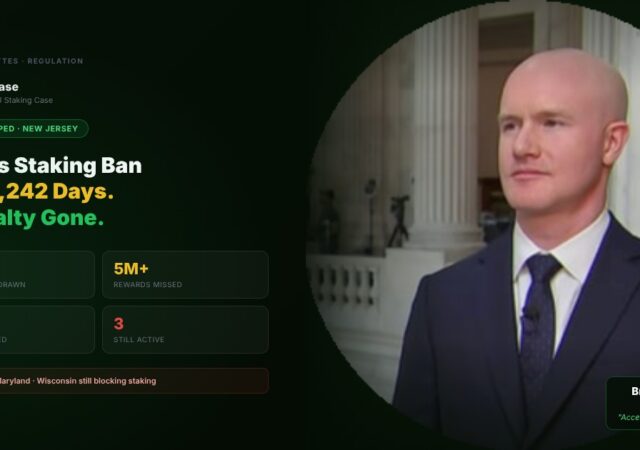
The CFTC has cleared the way for equity perps to trade on regulated U.S. exchanges for the first time, extending a broader effort to bring crypto-style products under domestic oversight. Chairman Michael Selig said the stock-linked perpetual futures were considered approved under existing security futures rules and will be supervised by both the CFTC and the SEC. The decision matters because perpetual futures have largely grown on offshore or decentralized crypto venues, while U.S. regulators have been trying to move that activity into markets with clearer federal protections. Selig said the aim is to give American traders a regulated option instead of leaving them to rely on less supervised platforms abroad.
Equity perps enter regulated U.S. markets
The Commodity Futures Trading Commission said perpetual futures tied to individual stocks can now trade on registered U.S. exchanges. That makes this the first time these contracts have been cleared for regulated U.S. venues, bringing a market structure familiar in crypto closer to Wall Street.
Michael Selig said the products were deemed approved under existing security futures rules. He said the decision should allow investors and traders to access equity perps within the CFTC’s regulatory framework rather than turning to offshore venues that may operate with weaker oversight.
How equity perps fit existing rules
Equity perps have long faced a more complicated path than many other derivatives because contracts linked to stocks can fall under both securities law and commodities law. That overlap means regulators from both areas have a role in deciding how these products can be listed and supervised.
The contracts will use a framework created by the Commodity Futures Modernization Act of 2000. Under that structure, the SEC and CFTC share oversight, and the agencies also agreed to coordinate more closely on products that cross their jurisdictions. That joint approach is central to how equity perps can now move into regulated U.S. markets.
Equity perps reflect a crypto trading model
Perpetual futures became a major part of crypto trading because they let traders take positions on an asset’s price without owning the underlying asset. Unlike traditional futures, they do not expire, and they often include leverage that can increase both gains and losses.
That model has been especially common on offshore exchanges and decentralized venues. Hyperliquid has emerged as a major platform for leveraged trading on blockchain infrastructure, and DeFiLlama data cited in the source showed perps generated more than $630 billion in trading volume over the past month. The scale of that activity has helped push equity perps and similar products into the U.S. policy debate.
Wall Street and Washington push oversight wider
Washington has been working to bring perpetual futures under U.S. oversight more broadly, and the Trump administration has treated that goal as a priority. The latest move on equity perps fits into that wider effort to shift trading away from offshore markets and into federally supervised venues.
Earlier this year, the CFTC approved the first bitcoin perpetual futures contract on a regulated U.S. exchange. In August, President Donald Trump said at a White House meeting that the agency is working to bring Hyperliquid into the United States under federal rules. Wall Street has also taken notice, with Intercontinental Exchange, the parent of the New York Stock Exchange, investing in tradeXYZ, which builds perpetual futures markets on Hyperliquid. Selig’s statement did not say which exchanges will list equity perps or which stocks will be available first.
Conclusion
The CFTC’s decision puts equity perps on a path toward regulated trading in the United States and marks another step in moving a crypto-born market structure into traditional finance. Regulators said the stock-linked contracts can operate under existing security futures rules, with the SEC and CFTC sharing oversight. Selig presented the change as a way to keep U.S. traders inside a domestic regulatory framework instead of pushing them toward offshore platforms. Although the announcement did not identify launch venues or the first stocks to be included, it shows that federal regulators are continuing to bring perpetual futures markets onshore and under closer supervision.
Disclaimer
The information provided in this article is for informational purposes only and should not be considered financial advice. The article does not offer sufficient information to make investment decisions, nor does it constitute an offer, recommendation, or solicitation to buy or sell any financial instrument. The content is opinion of the author and does not reflect any view or suggestion or any kind of advise from CryptoNewsBytes.com. The author declares he does not hold any of the above mentioned tokens or received any incentive from any company.
Featured image created by AI